LOS ANGELES.–Sounding a more belligerent tone, Iran’s Defense Minister Aziz Nasirzadeh said Tehran would strike back at the U.S. or Israel if they hit Iran’s nuclear enrichment facilities. President Donald Trump put Iran’s 85-year-old Supreme Leader Ayatollah Ali Khaemei on notice that if Iran didn’t negotiate in good faith on its nuke program, he would be forced to take military action to stop its nuke program that now has some 8,000 kilos of 60% enriched material. Trump’s national security team has met three times with Iranian officials, including Iran’s Foreign Minister Abbas Araghchi, though the last meeting was cancelled last week in Rome for logistical reasons. Nazirzadeh responded to Israeli Prime Minister Benjamin Netanyahu who threatened Tehran with the latest Houthi strike with a long-range Iranian missile that nearly hit Israel’s Ben Gurion International Airport.
Iran’s Houthi backed proxies have been struck recently by the U.S., retaliating against the No. 1 U.S. Mideast ally in Israel. Netanyahu no longer blames Yemen’s Houthi rebels but hold Ayatollah Ali Khamenei responsible for Houthi attacks on Israel. “If this war is initiated by the U.S. or the Zionist regime [Israel], Iran will target their interests, bases and forces, wherever they may be and whenever deemed necessary,” Nasirzadeh told Iranian State TV. Iran has made constant threats against Israel and the U.S. for a variety of reasons, most recently Trump’s warnings that if Iran doesn’t negotiate a new nuke deal, he’ll give the green light to destroy Iran’s nuclear enrichment program. Whether the U.S. or Israel can actually destroy Iran’s underground nuke facilities is anyone’s guess. Trump thought he was making progress on negotiations with Tehran.
Iran’s Defense Minister Nasirzadeh knows that his Foreign Minister Abbas Araghchi has been actively involved with the U.S. in discussions about Iran’s nuke program. Araghchi takes seriously Trump’s warnings about Iran finding a new way forward given the 8,000 kilo stockpile of near weapons grade uranium. So, when the Ayatollah supplies Iranian missiles and orders its Houthi proxies to strike Israel, Netanyahu holds the Ayatollah responsible. “Attacks by the Houthis emanate from Iran. Israel will respond to the Houthi attack against our main airport AND, at a time and place of our choosing, of their Iranian terror masters,” Netanyahu said on X. Nazirzadeh said Houthi rebels act independently of Tehran, expressing their own “motivations” for attacking Israel, especially the war in Gaza. Iran has used its proxies in Yemen, Gaza and Lebanon to attack Israel for years.
Trump has already ordered military strikes recently on Houthi rebels. So, whether ordered by the Ayatollah or not, the Houthis were itching to retaliate against Israel. Trump and Israeli Prime Minister Benjamin Netanyahu are at the end of their rope when it comes to the Houthis and Iran. Netanyahu thinks that going after the Ayatollah is the only way to stop Houthi attacks on Israel and U.S. warships in the Red Sea. Whatever Trump’s strikes on Houthi targets in Yemen, they haven’t stopped Iran from supplying Houthis long-range ballistic missiles capable of hitting Israeli targets. Trump and Netanyahu have to decide where to go from here because the current strategy of hitting Houthi targets in Yemen hasn’t stopped recent attacks on Israel. Houthis strikes near Israel’s Ben Gurion airport have gotten too close to home. Trump must serve notice on Ayatollah that he’s crossed the line.
Nasirzadeh said if the U.S. or Israel strikes Tehran, Iran will retaliate with strikes on U.S. bases in neighboring Mideast countries, regardless of diplomatic ties to Tehran. Leave it to the Ayatollah to ignore all diplomacy and start firing long-range missiles at U.S. targets in neighboring countries. Iran has “no hostility toward neighboring countries, bit Nasirzadeh said Iran won’t hesitate to hit U.S. targets in neighboring Mideast countries, implying the U.S. airbase in Doha, Qatar could be struck. Iran boasted about its new “Qassem Bassir” solid-fuel ballistic missile, named after Iran’s martyred Al Quds leader Qassem Soleimani. Since taking out Qassem Soleimani by a U.S. predator drone Jan. 3, 2020, the Ayatollah has had a fatwa, or death sentence, against Trump. Trump needs to take the Iranian death threats seriously and work with Netanyahu to neutralize them.
When you consider Trump was interviewed today at Mar-a-Lago by NBC News “Meet the Press” Kristen Welker, she asked not one question about U.S. foreign policy. Welker was content to waste the interview on frivolous Democrat talking points, like whether Trump planned to takeover Canada or Greenland by force. With the stakes so high in Iran, why would Welker waste her time on whether Trump plans to run for a third term? Welker only panders to Democrats and the fake news, busy during Trump’s first 100 days to discredit his many accomplishments, including sealing the Mexican border. Trump must decide soon what to do with the Ayatollah’s nuke program but also its proxy war against the U.S. navy and Israel in the Red Sea. Now that Houthis fired long-range ballistic rockets at Israel’s Ben Gurion airport, Trump must decide his next steps soon.
About the Author
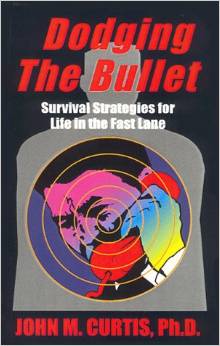
John M. Curtis writes politically neutral commentary analyzing spin in national and global news. He’s editor of OnlineColumnist.com and author of Dodging The Bullet and Operation Charisma.